


We Don't Target Symptoms.
We Target the Biology.
What you see in the mirror is only half the story. The visible signs of ageing aren't just cosmetic changes; they are driven by biological changes deep beneath the surface.
We work alongside leading scientific institutions and independent clinical testing laboratories to prove final formulation skincare at both a cellular and surface level - ensuring deep scientific rigor translates into visible skin health benefits.
From Cell, To Surface, To Mirror
-

Tested at the Cell
Biological Efficacy
Independent biomarker assays prove the final formula drives structural repair beneath the surface.
-

Measured on the Surface
Clinical Proof
Advanced skin measurement instruments objectively quantify the visible physical changes to the skin.
-

Perceived in the Mirror
Consumer Validation
Independent user panels statistically confirm the real-world visible outcomes—because cellular science only matters if you can see the difference.


Looking Beyond the Mirror
Visible ageing starts deep beneath the surface. Explore 7 visible signs of skin ageing below to connect what you see to what’s happening inside.
-
Photo aged Healthy
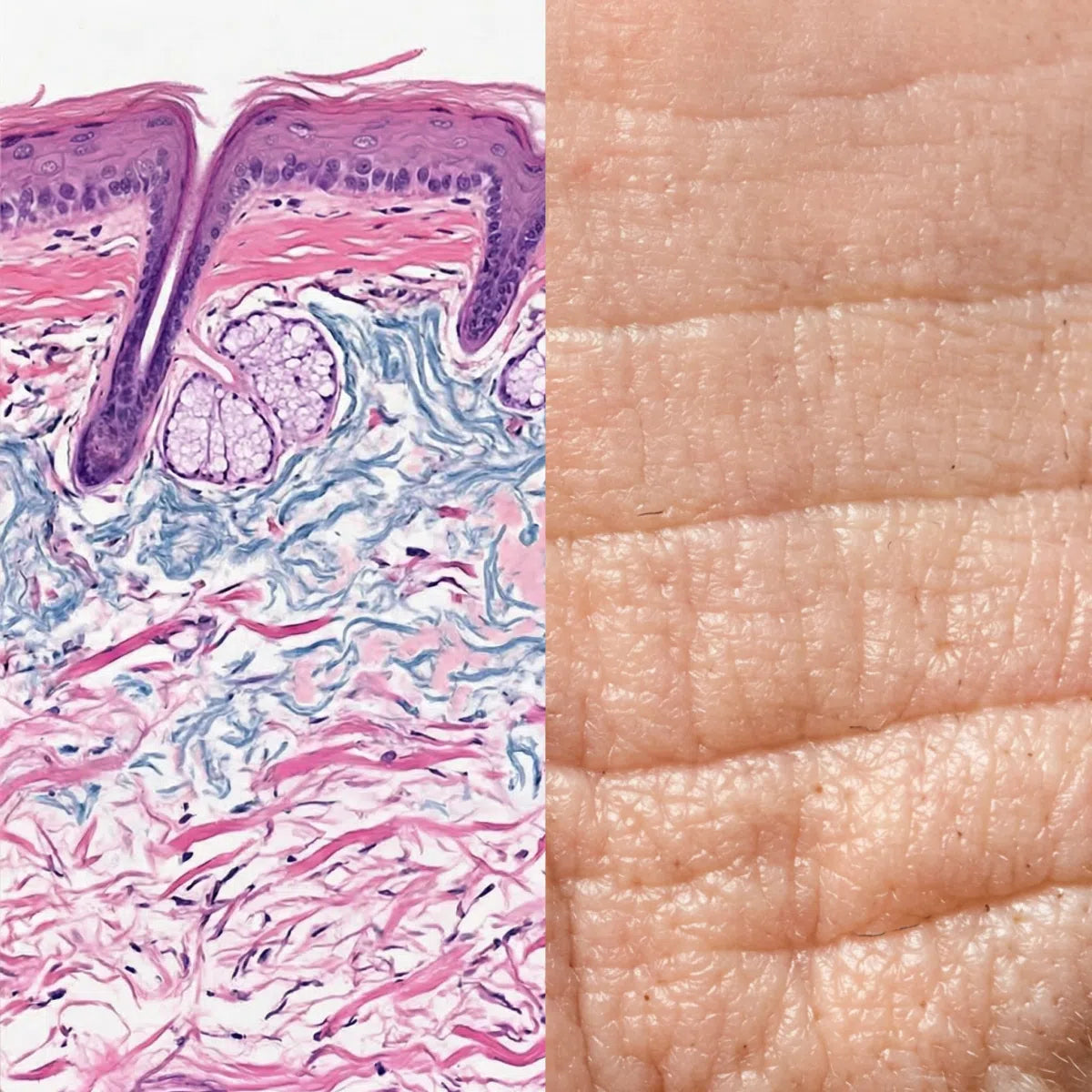
Fine Lines & Wrinkles
Caused by a loss of collagen and elastic fibres
-
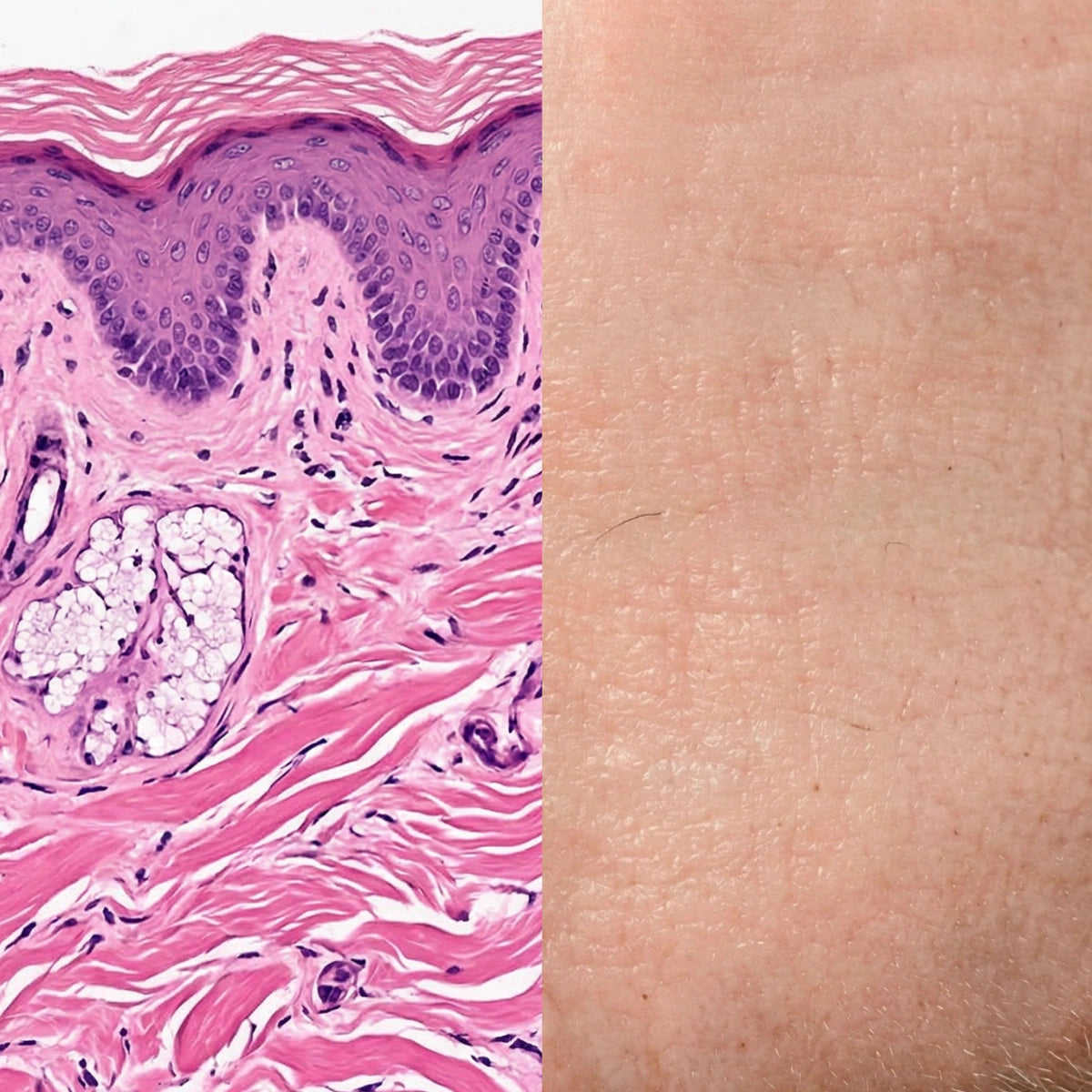
Photo Aged Healthy


Crepey Skin
UV exposure causes fibrillin fibres to degrade, creating a grenzone where the dermis and epidermis don't connect properly
-
Photo Aged Healthy


Dullness
A vibrant, healthy glow comes from a fast, efficient cell turnover rate, as we age this slows and older cells gather unevenly, scattering light poorly
-
Photo Aged Healthy


Rough Texture
Caused by a breakdown between our surface cells, causing microscopic flakes and an uneven surface topography that might feel slightly rough to the touch.
-
Photo Aged Healthy


Pigmentation & Age spots
UV exposure can cause melanocytes to chronically overproduce melanin in specific, concentrated areas, creating the localised clumping we know as age spots.
-
Photo Aged Healthy


Dryness
As we journey through life, our sebaceous gland activity naturally drops, and our epidermal cells produce fewer protective lipids, specifically ceramides.
-
Photo Aged Healthy

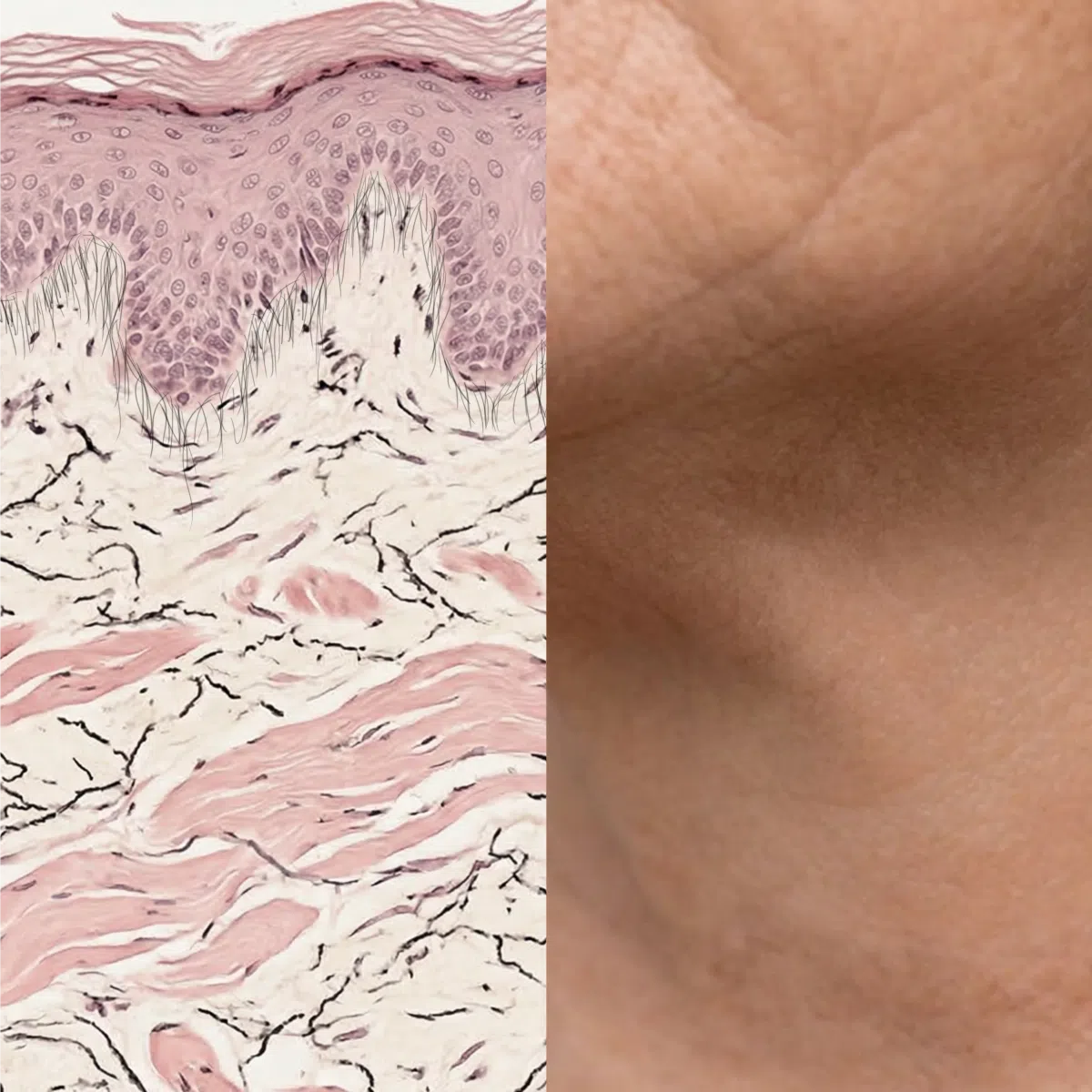
Loss of Elasticity & Sagging
Cumulative sun exposure causes fibroblasts to produce less elastin the tiny rubber bands that help your skin snap back.


*Note these images are simulations for educational purposes only
The left image shows a simulation of healthy skin histology using H&E staining with an intact scaffolding of collagen, fibrillin and elastic fibres. In the panel on the right the collagen is less dense, and the skin's structure has degraded.
Biological Definition of a Wrinkle
Biologically, a wrinkle is a visible depression caused by a shift in the skin's underlying structural architecture.1,2,3 Think of the skin as a multi-layered matrix: the top layer (the epidermis) acts as the protective roof, while the deeper layer (the dermis) acts as the foundational scaffolding, built primarily of collagen and elastin proteins.1,2,4
When this deep dermal scaffolding begins to weaken, fragment, or lose its density, it can no longer fully support the surface layer above it.1,3,5 As a result, the surface "roof" slightly caves in, creating the physical folds and creases we see in the mirror.3,6,7 While fine lines are often shallow micro-depressions linked to a dehydrated surface barrier, a true wrinkle is a deeper structural collapse.2,8,6 It is not a flaw, but simply a natural physical manifestation of a changing cellular environment.1,4,9
References
- 1. Langton AK, Graham HK, Griffiths CEM, Watson REB. Ageing Significantly Impacts the Biomechanical Function and Structural Composition of Skin. Experimental Dermatology. 2019;28(8):981-984.
- 2. Langton AK, Sherratt MJ, Griffiths CE, Watson RE. A New Wrinkle on Old Skin: The Role of Elastic Fibres in Skin Ageing. International Journal of Cosmetic Science. 2010;32(5):330-9.
- 3. Chavoshnejad P, Foroughi AH, Dhandapani N, German GK, Razavi MJ. Effect of Collagen Degradation on the Mechanical Behavior and Wrinkling of Skin. Physical Review E. 2021;104(3-1):034406.
- 4. Thurstan SA, Gibbs NK, Langton AK, et al. Chemical Consequences of Cutaneous Photoageing. Chemistry Central Journal. 2012;6(1):34.
- 5. He T, Fisher GJ, Kim AJ, Quan T. Age-Related Changes in Dermal Collagen Physical Properties in Human Skin. PloS One. 2023;18(12):e0292791.
- 6. Zhao Y, Feng B, Lee J, Lu N, Pierce DM. A Multi-Layered Model of Human Skin Elucidates Mechanisms of Wrinkling in the Forehead. Journal of the Mechanical Behavior of Biomedical Materials. 2020;105:103694.
- 7. Fisher GJ, Varani J, Voorhees JJ. Looking Older: Fibroblast Collapse and Therapeutic Implications. Archives of Dermatology. 2008;144(5):666-72.
- 8. Contet-Audonneau JL, Jeanmaire C, Pauly G. A Histological Study of Human Wrinkle Structures: Comparison Between Sun-Exposed Areas of the Face, With or Without Wrinkles, and Sun-Protected Areas. The British Journal of Dermatology. 1999;140(6):1038-47.
- 9. Dorf N, Maciejczyk M. Skin Senescence-From Basic Research to Clinical Practice. Frontiers in Medicine. 2024;11:1484345.
The Cause
While intrinsic ageing is a gentle, natural deceleration of our cellular processes, it is extrinsic ageing (driven by our daily environment) that causes the vast majority of structural breakdown.1,2
Every day, long-wave UVA rays and urban pollution penetrate the dermis, triggering oxidative stress.2,3 This floods the tissue with free radicals that fragment the sturdy collagen fibres holding the skin taut, while simultaneously making elastin (the protein responsible for the skin's "snap back") brittle and disorganised.1,2 As this foundational scaffolding fractures and loses its vital recoil, it can no longer support the surface layer. Consequently, the repetitive mechanical stress of our daily facial expressions begins to leave a permanent imprint, turning dynamic expression lines into static, permanent wrinkles.1,4
References
- 1. Langton AK, Sherratt MJ, Griffiths CE, Watson RE. A New Wrinkle on Old Skin: The Role of Elastic Fibres in Skin Ageing. International Journal of Cosmetic Science. 2010;32(5):330-9.
- 2. Chavoshnejad P, Foroughi AH, Dhandapani N, German GK, Razavi MJ. Effect of Collagen Degradation on the Mechanical Behavior and Wrinkling of Skin. Physical Review E. 2021;104(3-1):034406.
- 3. Zhao Y, Feng B, Lee J, Lu N, Pierce DM. A Multi-Layered Model of Human Skin Elucidates Mechanisms of Wrinkling in the Forehead. Journal of the Mechanical Behavior of Biomedical Materials. 2020;105:103694.
- 4. El-Domyati M, Attia S, Saleh F, et al. Intrinsic Aging vs. Photoaging: A Comparative Histopathological, Immunohistochemical, and Ultrastructural Study of Skin. Experimental Dermatology. 2002;11(5):398-405.
How Wrinkles Can Be Prevented
Prevention is fundamentally about protecting the skin's existing architecture from daily degradation. Because UV radiation and oxidative stress are the primary drivers of the MMP-1 enzyme, the most effective preventative protocol is a multi-layered daytime defence.1,2
This begins with a high-performance, broad-spectrum UV shield worn every day. However, because no UV filter can block 100% of environmental stress, true prevention also requires cellular support. Clinical studies demonstrate that by incorporating DNA repair enzymes—such as photolyase and endonuclease into your morning routine, you provide a biological "search and support" system that actively helps the skin mitigate and recover from the microscopic UV damage that inevitably slips through.3,4,5 When paired with bio-available antioxidants to neutralise free radicals, this comprehensive approach reduces the invisible inflammation that drives premature structural breakdown, preserving the skin's natural firmness and architecture for as long as possible.6,7
References
- 1. Fisher GJ, Wang ZQ, Datta SC, et al. Pathophysiology of Premature Skin Aging Induced by Ultraviolet Light. The New England Journal of Medicine. 1997;337(20):1419-28.
- 2. Brenneisen P, Sies H, Scharffetter-Kochanek K. Ultraviolet-B Irradiation and Matrix Metalloproteinases: From Induction via Signaling to Initial Events. Annals of the New York Academy of Sciences. 2002;973:31-43.
- 3. Berardesca E, Bertona M, Altabas K, Altabas V, Emanuele E. Reduced Ultraviolet-Induced DNA Damage and Apoptosis in Human Skin With Topical Application of a Photolyase-Containing DNA Repair Enzyme Cream: Clues to Skin Cancer Prevention. Molecular Medicine Reports. 2012;5(2):570-4.
- 4. Emanuele E, Altabas V, Altabas K, Berardesca E. Topical Application of Preparations Containing DNA Repair Enzymes Prevents Ultraviolet-Induced Telomere Shortening and C-Fos Proto-Oncogene Hyperexpression in Human Skin: An Experimental Pilot Study. Journal of Drugs in Dermatology. 2013;12(9):1017-21.
- 5. Carducci M, Pavone PS, De Marco G, et al. Comparative Effects of Sunscreens Alone vs Sunscreens Plus DNA Repair Enzymes in Patients With Actinic Keratosis: Clinical and Molecular Findings From a 6-Month, Randomized, Clinical Study. Journal of Drugs in Dermatology. 2015;14(9):986-90.
- 6. Kern J, Wood E, Almukhtar R, et al. Evaluation of an SPF50 Sunscreen Containing Photolyase and Antioxidants for Its Anti-Photoaging Properties and Photoprotection. Journal of Drugs in Dermatology. 2022;21(5):517-520.
- 7. Nichols JA, Katiyar SK. Skin Photoprotection by Natural Polyphenols: Anti-Inflammatory, Antioxidant and DNA Repair Mechanisms. Archives of Dermatological Research. 2010.
Repairing the Damage
While you cannot erase your biological history, you can support the skin's natural mechanisms to rebuild its architecture. This requires an active night time protocol when the skin's circadian rhythm shifts into repair mode. The gold standard approach involves ingredients such as well tolerated retinoids and peptides.1,2 These molecules work by signalling skin cells to increase collagen production and support the renewal of the skin's structural network.2,3
When supported by adequate hydration, the skin appears smoother and more supple, while ongoing structural renewal helps improve firmness and resilience over time.4
References
- 1. Griffiths TW, Watson REB, Langton AK. Skin Ageing and Topical Rejuvenation Strategies. The British Journal of Dermatology. 2023;189(Suppl 1):i17-i23.
- 2. Quan T, Fisher GJ. Role of Age-Associated Alterations of the Dermal Extracellular Matrix Microenvironment in Human Skin Aging: A Mini-Review. Gerontology. 2015;61(5):427-34.
- 3. Langton AK, Sherratt MJ, Griffiths CE, Watson RE. A New Wrinkle on Old Skin: The Role of Elastic Fibres in Skin Ageing. International Journal of Cosmetic Science. 2010;32(5):330-9.
- 4. Fisher GJ, Varani J, Voorhees JJ. Looking Older: Fibroblast Collapse and Therapeutic Implications. Archives of Dermatology. 2008;144(5):666-72.
Going Deeper on Science
- The Sluggish Cycle: In optimal health, skin cells renew approximately every month. As we mature, this cycle extends. Dead, dehydrated cells linger on the surface (the stratum corneum), making fine lines appear more pronounced.
- The Fibroblast Slowdown: Deep in the dermis, specialised cells called fibroblasts produce collagen (for strength) and elastin (for elasticity).1,2 Over time, these fibroblasts become less active, leading to a natural thinning of the skin's supportive matrix.1,2
- The MMP-1 Spike: When the skin is exposed to daylight and oxidative stress, it triggers an overproduction of an enzyme called MMP-1 (Matrix Metalloproteinase-1).3,4 This acts as a biological wrecking ball, actively degrading the collagen network faster than the fibroblasts can synthesise it.3
- The Flattening Junction: The Dermal-Epidermal Junction (DEJ)—the velcro-like layer connecting the surface of your skin to the deeper tissues—naturally flattens as we age.5,6 This reduces the transfer of vital nutrients between layers, causing the skin to lose its internal volume and structural grip.6
References
- 1. Dorf N, Maciejczyk M. Skin Senescence-From Basic Research to Clinical Practice. Frontiers in Medicine. 2024;11:1484345.
- 2. Langton AK, Sherratt MJ, Griffiths CE, Watson RE. A New Wrinkle on Old Skin: The Role of Elastic Fibres in Skin Ageing. International Journal of Cosmetic Science. 2010;32(5):330-9.
- 3. El-Domyati M, Attia S, Saleh F, et al. Intrinsic Aging vs. Photoaging: A Comparative Histopathological, Immunohistochemical, and Ultrastructural Study of Skin. Experimental Dermatology. 2002;11(5):398-405.
- 4. Pond D, McBride AT, Davids LM, Reddy BD, Limbert G. Microstructurally-Based Constitutive Modelling of the Skin - Linking Intrinsic Ageing to Microstructural Parameters. Journal of Theoretical Biology. 2018;444:108-123.
- 5. Shin SH, Lee YH, Rho NK, Park KY. Skin Aging From Mechanisms to Interventions: Focusing on Dermal Aging. Frontiers in Physiology. 2023;14:1195272.
- 6. Watson RE, Griffiths CE, Craven NM, Shuttleworth CA, Kielty CM. Fibrillin-Rich Microfibrils Are Reduced in Photoaged Skin. Distribution at the Dermal-Epidermal Junction. The Journal of Investigative Dermatology. 1999;112(5):782-7.


*Note these images are simulations for educational purposes only
The left image shows a simulation of healthy skin histology using Verhoeff-Van Gieson staining with numerous fibrillin fibres forming chandelier-like structures. In the panel on the right the fibrillin is sparse and disorganised and clumped.
What is Crepey Skin?
Biologically, crepey skin differs entirely from a deep structural wrinkle. It is a distinct thinning and loss of resilience that results in a finely crinkled, paper-like texture across larger areas of the skin.1,2 Think of it as a deflation of the skin's uppermost supportive cushions.
While a wrinkle is a deep fold in the dermal scaffolding, crepeiness occurs when both the surface barrier (the epidermis) and the immediate layer beneath it lose their density, moisture, and vital elastic stretch.3 It is a natural reflection of an exhausted cellular matrix that has lost its ability to seamlessly spring back into place.
References
- 1. Naylor EC, Watson RE, Sherratt MJ. Molecular Aspects of Skin Ageing. Maturitas. 2011;69(3):249-56.
- 2. Yaar M, Gilchrest BA. Photoageing: Mechanism, Prevention and Therapy. The British Journal of Dermatology. 2007;157(5):874-87.
- 3. Amano S. Characterization and Mechanisms of Photoageing-Related Changes in Skin. Damages of Basement Membrane and Dermal Structures. Experimental Dermatology. 2016;25 Suppl 3:14-9.
The Cause of Crepey Skin
The primary driver of crepey skin is cumulative UV exposure.1,2 Deep within the skin, elastic fibres are composed of two parts: an inner core of elastin, and an outer protective sheath made of a delicate protein called fibrillin. When UV rays bombard the skin, fibrillin acts almost as a sacrificial shield, absorbing the oxidative damage to protect the deeper tissues.2,3
Over time, this constant UV exposure completely degrades the fibrillin network, leaving the inner elastin fibres bare, disorganised, and incapable of their natural "snap back".2,3 In areas of chronic sun exposure, this prolonged damage causes a truncation and depletion of the papillary dermal microfibrillar network—a distinct zone of damaged, exhausted tissue resting just beneath the surface where fibrillin-rich microfibrils have been lost.2 It is this depleted papillary dermis that physically manifests as that thin, crinkled, crepe-like texture we see in the mirror.
References
- 1. Yaar M, Gilchrest BA. Photoageing: Mechanism, Prevention and Therapy. The British Journal of Dermatology. 2007;157(5):874-87.
- 2. Watson RE, Griffiths CE, Craven NM, Shuttleworth CA, Kielty CM. Fibrillin-Rich Microfibrils Are Reduced in Photoaged Skin. Distribution at the Dermal-Epidermal Junction. The Journal of Investigative Dermatology. 1999;112(5):782-7.
- 3. Hibbert SA, Watson REB, Griffiths CEM, Gibbs NK, Sherratt MJ. Selective Proteolysis by Matrix Metalloproteinases of Photo-Oxidised Dermal Extracellular Matrix Proteins. Cellular Signalling. 2019;54:191-199.
How Crepey Skin Can Be Prevented
Because crepey skin is overwhelmingly driven by the extrinsic damage of UV rays and oxidative stress, prevention requires consistent daily protection.1,2
By wearing a high-performance, broad-spectrum SPF every day, you actively prevent the sacrificial degradation of the delicate fibrillin network.2,3 Combining this with antioxidants and DNA repair enzymes provides a biological safety net. This approach helps to neutralise the free radicals that contribute to the breakdown of elastic fibres and supports the skin before the microfibrillar network becomes compromised, helping maintain a smoother and more resilient texture.1,3
References
- 1. Yaar M, Gilchrest BA. Photoageing: Mechanism, Prevention and Therapy. The British Journal of Dermatology. 2007;157(5):874-87.
- 2. Watson RE, Griffiths CE, Craven NM, Shuttleworth CA, Kielty CM. Fibrillin-Rich Microfibrils Are Reduced in Photoaged Skin. Distribution at the Dermal-Epidermal Junction. The Journal of Investigative Dermatology. 1999;112(5):782-7.
- 3. Hibbert SA, Watson REB, Griffiths CEM, Gibbs NK, Sherratt MJ. Selective Proteolysis by Matrix Metalloproteinases of Photo-Oxidised Dermal Extracellular Matrix Proteins. Cellular Signalling. 2019;54:191-199.
Repairing the Damage
While the structural changes behind crepey skin are complex, the skin remains biologically responsive to targeted support. This requires a dedicated night time approach focused on stimulating repair and reinforcing the skin's structural network. Ingredients such as retinoids and peptides help activate the skin's natural renewal processes, encouraging the production of the key support fibres, including collagen and fibrillin that keep skin firm and resilient. Retinoids are particularly well known for this, while peptides help send signals that support ongoing skin renewal.
When combined with effective hydration, the skin becomes more supple at the surface, while ongoing structural support helps improve elasticity over time. This gradual improvement in the skin's underlying architecture can enhance its ability to "snap back," visibly smoothing the crinkled, paper-like appearance and revealing skin that looks stronger, healthier, and more supple.
References
- 1. Voorhees JJ, Fisher GJ, Kang S. Molecular Mechanisms of Retinoid Actions in Skin. The FASEB Journal. 1996;10(9):1002-13.
- 2. Watson RE, Craven NM, Kang S, et al. A Short-Term Screening Protocol, Using Fibrillin-1 as a Reporter Molecule, for Photoaging Repair Agents. The Journal of Investigative Dermatology. 2001;116(5):672-8.
- 3. Jariwala N, Ozols M, Bell M, et al. Matrikines as Mediators of Tissue Remodelling. Advanced Drug Delivery Reviews. 2022;185:114240.
- 4. Pintea A, Manea A, Pintea C, et al. Peptides: Emerging Candidates for the Prevention and Treatment of Skin Senescence: A Review. Biomolecules. 2025;15(1):88.
Going Deeper on the Science
- The Fibrillin Sacrifice: Fibrillin proteins form a microfibril network that anchors and protects elastin. Under UV stress, fibrillin acts as a biological shock absorber, and becomes progressively damaged and fragmented. As it degrades, the structural integrity of the elastic network diminishes.1,2,3,4
- Depletion in Superficial Dermis: The papillary dermis is the region just beneath the epidermis. In healthy young skin, this zone contains fibrillin-rich microfibrils. In photodamaged skin, this region becomes depleted of its normal elastic fibre components, with the microfibrils truncated and lost. This depletion creates the visible thinness associated with crepey skin.2,3,4
- The Loss of 'Snap Back': Elastin proteins are responsible for the skin's ability to stretch and instantly recoil. When their supporting fibrillin network is damaged by the environment, these elastic coils become disorganised and less functional, reducing their ability to maintain mechanical "bounce".1,3,5
- Epidermal Dehydration: Unlike deeper wrinkles, crepey skin is heavily influenced by the very top layer of the skin (the stratum corneum) losing its ability to hold onto water. As the skin barrier becomes less effective over time the surface loses its essential lipids and moisture more easily, causing it to appear drier and more crinkled.6,7
References
- 1. Hibbert SA, Watson REB, Griffiths CEM, Gibbs NK, Sherratt MJ. Selective Proteolysis by Matrix Metalloproteinases of Photo-Oxidised Dermal Extracellular Matrix Proteins. Cellular Signalling. 2019;54:191-199.
- 2. Sherratt MJ, et al. Low-Dose UV Radiation Selectively Degrades Chromophore-Rich ECM Components. Journal of Pathology. 2010.
- 3. Watson RE, Griffiths CE, Craven NM, Shuttleworth CA, Kielty CM. Fibrillin-Rich Microfibrils Are Reduced in Photoaged Skin. Distribution at the Dermal-Epidermal Junction. The Journal of Investigative Dermatology. 1999;112(5):782-7.
- 4. Langton AK, et al. Remodelling of Fibrillin-Rich Microfibrils by Solar-Simulated Radiation. Photochemical & Photobiological Sciences. 2020.
- 5. Charoenchon N, et al. Differential Reorganisation of Cutaneous Elastic Fibres. Photochemical & Photobiological Sciences. 2018.
- 6. Foster AR, et al. Osmolyte Transporter Expression Is Reduced in Photoaged Human Skin. Aging Cell. 2020.
- 7. Wang Z, et al. Aging-Associated Alterations in Epidermal Function. Aging. 2020.


*Note these images are simulations for educational purposes only
The left image shows healthy cell turnover with more active cells, while the right shows reduced cell proliferation in photoaged skin, using simulated Ki-67 histology staining.
What is Dullness?
Biologically, a dull complexion is an issue of light reflection and cellular accumulation.1,2 Think of healthy, youthful skin as a perfectly smooth pane of glass that reflects light evenly to create a natural, vibrant glow.
When the skin's surface architecture becomes uneven and textured due to a microscopic buildup of dead skin cells, it begins to scatter light in different directions rather than reflecting it.1,2 This uneven scattering creates micro-shadows and a flat, exhausted appearance. It is not a permanent loss of vitality, but simply a physical disruption on the very top layer of the skin.
References
- 1. Lee SH, Jun SH, Yeom J, et al. Optical Clearing Agent Reduces Scattering of Light by the Stratum Corneum and Modulates the Physical Properties of Coenocytes via Hydration. Skin Research and Technology. 2018;24(3):371-378.
- 2. Yoshida K, Miyaki M, Ojima N, Iwata K. Relationship Between Microstructure of the Skin Surface and Surface Reflection Based on Geometric Optics. Journal of Dermatological Science. 2012;66(3):225-32.
The Cause
The primary driver of dullness is a biological slowdown in the skin's natural renewal cycle, including the shedding process known clinically as desquamation.1 In our youth, the skin efficiently sheds dead cells and replaces them with fresh ones roughly every 28 days. As we mature, this natural cycle sluggishly extends.1
This intrinsic slowdown is compounded by our daily environment. Extrinsic factors like urban pollution, UV radiation, and central heating (low humidity) dehydrate the surface layer.2 When the skin lacks vital moisture, the microscopic structures holding the dead cells together do not break down properly.3 Instead of shedding away smoothly, these cells cling to the surface. This creates a thick, uneven, and deeply dehydrated barrier that masks the healthy tissue beneath.1
References
- 1. Biniek K, et al. Understanding Age-Induced Alterations to the Biomechanical Barrier Function of Human Stratum Corneum. 2015.
- 2. Passeron T, et al. Clinical and Biological Impact of the Exposome on the Skin. 2020.
- 3. Ishida-Yamamoto A, Igawa S. The Biology and Regulation of Corneodesmosomes. 2015.
How Dullness Can Be Prevented
Preventing a dull, exhausted complexion requires maintaining an optimal environment for the skin's natural shedding enzymes to function.1 Because oxidative stress and environmental dehydration can impair these delicate biological processes, consistent daily defense is essential.1,2 By applying a broad-spectrum UV shield and a complex of antioxidants every morning, you help protect the skin's lipid barrier from environmental degradation.2,3
Equally important is maintaining surface hydration and barrier integrity. Humectants help attract water into the outer layers of the skin, while emollients smooth the surface and support a more even texture. Gentle exfoliation can also help remove excess dead cells, preventing buildup and improving light reflection.
This daily support helps the surface retain the moisture required for dead cells to detach cleanly and naturally, preserving a smoother, more reflective appearance.1
References
- 1. Stamatas GN. Protein Degradation in the Stratum Corneum. 2024.
- 2. Rinnerthaler M, et al. Oxidative Stress in Aging Human Skin. 2015.
- 3. Lademann J, et al. Influence of Topical, Systemic and Combined Application of Antioxidants on the Barrier Properties of the Human Skin. 2016.
Repairing the Damage
Restoring a vibrant, healthy glow relies on actively supporting the skin's sluggish cellular turnover. This is best achieved during the night time, when the skin's natural repair processes shift their focus toward renewal and recovery.1
Topical retinoids are the clinical gold standard for improving cellular turnover.2 These ingredients help normalise the skin's renewal process, encouraging the removal of accumulated surface cells and promoting the formation of healthier new cells.2 As this cycle improves, the skin surface becomes more even, allowing light to reflect more uniformly.2,3 When supported by adequate hydration, this renewed surface architecture appears smoother and more radiant, restoring a healthier complexion.3
References
- 1. Plikus MV, et al. The Circadian Clock in Skin. 2015.
- 2. Elias PM. Epidermal Effects of Retinoids. 1986.
- 3. Mambwe B, et al. Cosmetic Retinoid Use in Photoaged Skin. 2025.
Going Deeper on the Science
- The Desquamation Slowdown: Desquamation is the natural, biological process of shedding dead skin cells (corneocytes).1 As this natural cycle extends over time, the stratum corneum (the outermost layer of the epidermis) becomes abnormally thick and disorganised.1
- The Desmosome Glue: Dead skin cells are held together by microscopic protein bridges called desmosomes. In healthy, hydrated skin, natural enzymes act like scissors to dissolve these bridges so the cells can shed smoothly.2
- Enzymatic Failure: The natural enzymes responsible for breaking down desmosomes rely on adequate hydration to function properly.3 When the skin barrier is compromised by environmental stress and dehydration, these enzymes cannot function, leading to a build up of dead cells on the surface.3
- The Physics of Light: A smooth, highly functioning stratum corneum acts like a mirror, reflecting light directly back to the observer.4 A thickened, rough stratum corneum acts like frosted glass, scattering the light and creating the optical illusion of grey, tired, and dull skin.4
References
- 1. Harding CR, et al. Dry Skin, Moisturization and Corneodesmolysis. 2000.
- 2. Kishibe M. Physiological and Pathological Roles of Kallikrein-Related Peptidases in the Epidermis. 2019.
- 3. Watkinson A, et al. Water Modulation of Stratum Corneum Chymotryptic Enzyme Activity and Desquamation. 2001.
- 4. Yoshida K, et al. Relationship Between Microstructure of the Skin Surface and Surface Reflection Based on Geometric Optics. Journal of Dermatological Science. 2012;66(3):225-32.


*Note these images are simulations for educational purposes only
The left panel shows a healthy intact skin barrier simulated with H&E staining. On the right panel we see a compromised and roughened skin barrier, with a buildup of dry, compacted surface cells.
What is Rough Surface Texture?
Biologically, rough surface texture is a physical disruption in the skin's outermost layer.1 Think of a healthy skin barrier like a brick wall, where cells are the bricks and natural lipids act as the mortar holding everything flat and aligned.2
When this architecture is compromised, the surface cells become disorganised.3 Rather than overlapping seamlessly, they lift and create microscopic peaks and valleys across the stratum corneum.1 This physical irregularity transforms a soft canvas into a coarse finish. It is a sign that the skin's natural barrier is struggling to retain its cohesive structure.2,3
References
- 1. Dorf E, Maciejczyk M. Skin senescence—From basic research to clinical practice. Int J Mol Sci. 2024.
- 2. Ghadially R, Brown BE, Sequeira-Martin SM, Feingold KR, Elias PM. The aged epidermal permeability barrier. J Clin Invest. 1995;95(5):2281-2290.
- 3. Biniek K, Kaczvinsky J, Matts P, Dauskardt RH. Understanding age-induced alterations to the biomechanical barrier function of human stratum corneum. J Dermatol Sci. 2015;80(2):94-101.
The Cause
The primary driver of rough texture is a depletion of the skin's essential lipid matrix combined with an irregular cellular shedding cycle.1,2 Intrinsically, as our biological clock slows down, the skin produces fewer natural ceramides and fatty acids.2 This weakens the skin barrier and leaves the surface cells vulnerable and prone to dehydration.1
Extrinsically, daily exposure to harsh weather, urban pollution, and UV radiation strips away these remaining protective lipids.3,4 Without this structural support, surface cells dry out and curl upwards at their edges, creating an uneven texture.1 Furthermore, environmental oxidative stress triggers low-grade inflammation that disrupts the normal cell maturation, causing cells to reach the surface less evenly.4
References
- 1. Ghadially R, Brown BE, Sequeira-Martin SM, Feingold KR, Elias PM. The aged epidermal permeability barrier. J Clin Invest. 1995;95(5):2281-2290.
- 2. Rogers J, Harding C, Mayo A, Banks J, Rawlings A. Stratum corneum lipids: the effect of ageing and the seasons. Arch Dermatol Res. 1996;288(12):765-770.
- 3. Biniek K, Levi K, Dauskardt RH. Solar UV radiation reduces the barrier function of human skin. Proc Natl Acad Sci USA. 2012;109(42):17111-17116.
- 4. Abolhasani A, Schikowski T, Altug H, et al. The impact of air pollution on skin and related disorders. Int J Environ Res Public Health. 2021;18(8):4097.
How Rough Texture Can Be Prevented
Preventing rough texture focuses on maintaining hydration and supporting the skin's lipid barrier.1 When the skin is adequately hydrated, the natural shedding process functions efficiently, allowing surface cells to remain smooth, flat, and evenly organised.1
Using moisturisers that combine humectants, emollients, and barrier-supporting lipids helps maintain this environment by attracting water, smoothing the surface, and reinforcing the skin's structural matrix.2,3 This reduces the likelihood of surface cells becoming dry, rigid, and uneven.1
Gentle exfoliation can further support this process by removing excess dead cells before they accumulate and disrupt the skin's surface texture.1 While not the primary driver, environmental stressors such as pollution and UV exposure can impair barrier integrity over time, contributing to roughness.4
References
- 1. Biniek K, Kaczvinsky J, Matts P, Dauskardt RH. Understanding age-induced alterations to the biomechanical barrier function of human stratum corneum. J Dermatol Sci. 2015;80(2):94-101.
- 2. Rawlings AV, Harding CR. Moisturization and skin barrier function. Dermatol Ther. 2004;17 Suppl 1:43-48.
- 3. Rajkumar J, Chandan N, Lio P, Shi V. The skin barrier and moisturization: function, disruption, and mechanisms of repair. Skin Pharmacol Physiol. 2023;36(4):174-185.
- 4. Abolhasani R, Araghi F, Tabary M, et al. The impact of air pollution on skin and related disorders. Dermatol Ther. 2021;34(2):e14840.
Repairing the Damage
Rebuilding begins by restoring the skin's lipid matrix. Reintroducing essential ceramides and fatty acids helps reinforce the structural "mortar" that keeps surface cells smooth, cohesive, and resistant to dehydration. At the same time, deep hydration supports the optimal environment needed for natural shedding processes to function efficiently.1
Alongside this, intelligent cellular communicators like retinoids help stimulate the lower levels of the epidermis to produce healthy new cells.2 As these fresh cells move upward, they assist in dislodging the dry, compacted cells on the surface, improving overall texture and uniformity.1
By combining lipid replenishment, hydration, and controlled cellular renewal, the stratum corneum is gradually smoothed and strengthened. This integrated approach not only improves surface texture but also helps the skin better withstand ongoing environmental stress, revealing a softer, more resilient complexion over time.3
References
- 1. Naylor EC, Watson REB, Sherratt MJ. Molecular aspects of skin ageing. Maturitas. 2011;69(3):249-256.
- 2. Mambwe K, Sherratt MJ, Watson REB, et al. Cosmetic retinoid use in photoaged skin. Int J Cosmet Sci. 2025.
- 3. Griffiths CEM, Russman AN, Majmudar G, et al. Restoration of collagen formation in photodamaged human skin by tretinoin. N Engl J Med. 1993;329(8):530-535.
Going Deeper on the Science
- The Brick and Mortar Collapse: The stratum corneum is structured like a brick wall.1 When the vital lipid mortar is depleted by environmental stress, the cellular bricks lose their structural integrity and alignment.2
- Impaired Shedding: In a hydrated environment, dead skin cells lie flat. When dehydrated, cells fail to detach and accumulate as visible flakes.3
- Abnormal Keratinisation: Chronic UV exposure and inflammation disrupt the biological signals that regulate how skin cells mature.3 This leads to cells reaching the surface in a disorganised fashion, rather than a uniform layer.3
- Microfissures: A depleted barrier often develops microscopic cracks due to reduced lipid content and cellular cohesion.2 These fissures increase water loss and reinforce a continuous cycle of dehydration and surface roughness.3
References
- 1. Nishifuji K, Yoon JS. The stratum corneum: the rampart of the mammalian body. Vet Dermatol. 2013;24(1):60-72.
- 2. Ghadially R, Brown BE, Sequeira-Martin SM, Feingold KR, Elias PM. The aged epidermal permeability barrier. J Clin Invest. 1995;95(5):2281-2290.
- 3. Biniek K, Kaczvinsky J, Matts P, Dauskardt RH. Understanding age-induced alterations to the biomechanical barrier function of human stratum corneum. J Dermatol Sci. 2015;80(2):94-101.


*Note these images are simulations for educational purposes only
The left panel shows a simulation of an even production of melanin using Fontana-Masson histology staining. On the right is a pigmented sun spot with irregular over production of melanin.
What is Pigmentation and Age Spots?
Biologically, pigmentation and age spots are the visible result of an overactive defence mechanism.1 Think of melanin as the skin's natural parasol. It is a pigment produced deep within the epidermis to protect cellular DNA from UV damage.1
When the skin functions optimally, this pigment is distributed evenly.2 However, when the pigment producing cells become chronically stressed, they release excess melanin in concentrated, disorganised clusters.2 These clusters accumulate within the epidermis, creating the flat, dark patches we recognise as age spots or hyperpigmentation.3 It is not a flaw, but a visible record of the skin attempting to protect itself.2
References
- 1. Lambert MW, Maddukuri S, Karanfilian KM, Elias ML, Lambert WC. The physiology of melanin deposition in health and disease. Clin Dermatol. 2019;37(5):402-417.
- 2. Kang HY, Lee JW, Papaccio F, Bellei B, Picardo M. Alterations of the pigmentation system in the aging process. Pigment Cell Melanoma Res. 2021;34(4):800-813.
- 3. Choi W, Yin L, Smuda C, et al. Molecular and histological characterization of age spots. Exp Dermatol. 2017;26(3):242-248.
The Cause
While hormonal shifts can trigger pigmentation, the most common cause is cumulative environmental damage.1 Every time unprotected skin is exposed to UV radiation and pollution, it triggers oxidative stress.2 This damage activates key signalling pathways within keratinocytes (skin cells), including p53, which in turn stimulates melanocytes to increase melanin production.1,2
Over time, this repeated stimulation can lead to persistent melanocyte overactivity.1 Even brief exposure to daylight can stimulate melanin production.2 Because mature skin has a slower cellular turnover, this pigment accumulates in the upper layers rather than shedding evenly, causing the spots to become more visible and increasingly prominent.3
References
- 1. Yaar M, Fisher DE. Skin pigmentation and its control: from ultraviolet radiation to stem cells. Exp Dermatol. 2021.
- 2. Nahhas AF, Abdel-Malek ZA. The potential role of antioxidants in mitigating skin hyperpigmentation resulting from ultraviolet and visible light-induced oxidative stress. Photodermatol Photoimmunol Photomed. 2019.
- 3. Choi W, Yin L, Smuda C, et al. Molecular and histological characterization of age spots. Exp Dermatol. 2017;26(3):242-248.
How Pigmentation Can Be Prevented
Preventing hyperpigmentation requires limiting the environmental triggers before they can activate melanocytes.1 The most effective approach is maintaining a consistent daily defence against UV radiation and oxidative stress.1,2
By applying a broad spectrum UV filter alongside antioxidants every morning, you help reduce UV-induced DNA damage and oxidative stress that stimulate excess pigment production.1,2,3 Adding advanced DNA repair enzymes provides an additional layer of support, helping the skin recover from microscopic UV damage before it can trigger melanocytes and preventing future age spots from forming.3
References
- 1. Krutmann J, Watson REB, et al. Daily photoprotection to prevent photoaging. Photodermatol Photoimmunol Photomed. 2021.
- 2. Passeron T, Lim HW, et al. Photoprotection according to skin phototype and dermatoses: practical recommendations from an expert panel. J Eur Acad Dermatol Venereol. 2021.
- 3. Luze H, Nischwitz SP, et al. DNA repair enzymes in sunscreens and their impact on photoageing: a systematic review. Photodermatol Photoimmunol Photomed. 2020.
Repairing the Damage
While accumulated pigment can be slow to resolve, the skin is capable of gradually clearing excess melanin when properly supported.1 This requires a dedicated night time protocol focused on accelerating cellular renewal while also regulating pigment production.2
Topical retinoids support epidermal renewal by increasing cell turnover within the lower layers of the skin.2 As the skin sheds the surface cells containing excess melanin, the appearance of dark spots gradually fades.1
Alongside this renewal, incorporating antioxidants and pigment-regulating ingredients helps reduce the ongoing production and uneven distribution of melanin. By limiting oxidative stress and modulating key pathways involved in melanin synthesis, as well as reducing pigment transfer between cells, the formation of new discolouration is minimised. When combined with a well-hydrated environment, newly formed cells are more evenly pigmented, helping to restore a brighter and more uniform appearance.2,3
References
- 1. Rafal ES, Griffiths CEM, et al. Topical tretinoin (retinoic acid) treatment for liver spots associated with photodamage. N Engl J Med. 1992.
- 2. Ortonne JP. Retinoid therapy of pigmentary disorders. Dermatol Ther. 2006.
- 3. Lin Y, et al. Comparative efficacy of topical interventions for facial photoaging: a network meta-analysis. Sci Rep. 2025.
Going Deeper on the Science
- The Melanocyte Factory: Melanocytes are specialised cells located at the basal layer of the epidermis.1 Their primary biological function is to produce melanin to protect the skin's structural integrity from UV radiation.1
- Tyrosinase Activation: The creation of melanin is controlled by a specific enzyme called tyrosinase.1 Oxidative stress from UV rays heavily stimulates tyrosinase, leading to the rapid overproduction of pigment.2
- Melanosome Transfer: Once produced, melanin is packaged into microscopic parcels called melanosomes.1 These parcels are transported up into the surrounding skin cells to form a protective cap over the cell nucleus.1
- Trapped Pigment: As the skin's natural shedding cycle slows down with age, the melanin loaded cells remain on the surface much longer.3 This prolonged accumulation is exactly what makes age spots appear darker and more defined over time.3
References
- 1. Choi W, Yin L, Smuda C, et al. Molecular and histological characterization of age spots. Exp Dermatol. 2017;26(3):242-248.
- 2. Gilchrest BA, Park HY, Eller MS, Yaar M. Mechanisms of ultraviolet light-induced pigmentation. Photochem Photobiol. 1996;63(1):1-10.
- 3. Yamazaki S, Ando H. Melanin accumulation in senescent keratinocytes. Pigment Cell Melanoma Res. 2025.


*Note these images are simulations for educational purposes only
Simulated Oil Red O histology showing intact lipids of young healthy skin compared to dry disorganised flaking old skin, unable to hold moisture and lipids.
What is Chronic Age-Related Dryness?
Biologically, chronic dryness is a fundamental failure of the skin's moisture retention system.1 Think of a healthy skin barrier like a sealed greenhouse. It traps vital water inside while keeping external elements out.
As the skin matures, this system gradually loses its structural integrity.2 The protective barrier weakens, allowing essential hydration to evaporate more readily into the environment.1 This process is known as transepidermal water loss (TEWL).1 It is not simply a lack of water, but an inability to retain it.3
References
- 1. Ghadially R, Brown BE, Sequeira-Martin SM, Feingold KR, Elias PM. The aged epidermal permeability barrier. J Clin Invest. 1995;95(5):2281-2290.
- 2. Kendall AC, Griffiths CEM, Watson REB, et al. Menopause induces changes to the stratum corneum ceramide profile. Sci Rep. 2022.
- 3. Choi EH. Aging of the skin barrier. Clin Dermatol. 2019;37(5):336-345.
The Cause
The primary driver of chronic dryness is a decline in the skin's natural lipid production. Intrinsically, mature skin produces fewer ceramides, cholesterol, and fatty acids.1 These are the critical components that form the skin's protective barrier.
Extrinsically, this biological slowdown is compounded by environmental factors. Daily exposure to UV radiation, central heating, and low humidity accelerates lipid depletion and barrier disruption.2 Without this protective structure, the skin loses water more readily, leading to a continuous cycle of dehydration and a tight, uncomfortable, and visibly dull surface.3
References
- 1. Rogers J, Harding C, Mayo A, Banks J, Rawlings A. Stratum corneum lipids: the effect of ageing and the seasons. Arch Dermatol Res. 1996.
- 2. Biniek K, Levi K, Dauskardt RH. Solar UV radiation reduces the barrier function of human skin. Proc Natl Acad Sci USA. 2012.
- 3. Ghadially R, Brown BE, Sequeira-Martin SM, Feingold KR, Elias PM. The aged epidermal permeability barrier. J Clin Invest. 1995;95(5):2281-2290.
How Chronic Dryness Can Be Prevented
Preventing chronic dryness requires actively supporting the skin's barrier function while defending it from environmental stress. The most effective approach combines daily protection with consistent replenishment of essential lipids and hydration.
By applying a broad spectrum UV filter alongside antioxidants every morning, you help reduce oxidative stress that can disrupt lipid production and barrier integrity.1,2
Equally important is maintaining the skin's moisture balance through the use of humectants, emollients, and occlusive ingredients. These work together to attract water into the skin, replenish the lipid matrix, and reduce transepidermal water loss.3
Supporting ingredients that promote lipid synthesis and barrier repair further help restore the skin's ability to retain hydration over time.2,3
References
- 1. Jacques C, et al. UV alters epidermal lipidome; sunscreen preserves lipid integrity. 2025.
- 2. Katsuyama Y, et al. Oxidative stress reduces ceramides; antioxidants restore barrier and reduce TEWL. 2017.
- 3. Danby SG, et al. Ceramide-based moisturisers improve lipid organisation, hydration, and barrier function. 2022.
Repairing the Damage
While a compromised barrier can feel persistently tight and uncomfortable, the skin is capable of restoring its moisture balance when given the correct support. This is improved with a dedicated night time routine focused on nourishment and structural repair.1
Rebuilding begins with replenishing the skin's lipid matrix. Providing essential lipids helps restore the "mortar" between cells, improving cohesion and reducing water loss.2 At the same time, humectants draw water into the skin, while occlusive ingredients help prevent that moisture from escaping, creating the optimal environment for barrier recovery.3
Supporting ingredients that promote lipid synthesis further enhance this repair process, helping the skin gradually rebuild a stronger and more resilient barrier. With consistent support, the skin regains its ability to retain hydration, restoring comfort, smoothness, and overall resilience.2,3
References
- 1. Oyetakin-White P, Suggs A, Koo B, et al. Does poor sleep quality affect skin ageing? Clin Exp Dermatol. 2015;40(1):17-22.
- 2. Andrew P, et al. Topical supplementation with physiological lipids rebalances the stratum corneum ceramide profile and strengthens skin barrier function in adults predisposed to atopic dermatitis. Br J Dermatol. 2025;193(4):729-740.
- 3. Fluhr JW, Darlenski R, Surber C. Glycerol and the skin: holistic approach to its origin and functions. Br J Dermatol. 2025.
Going Deeper on the Science
- The Lipid Depletion: Ceramides make up a major component of the skin's protective barrier.1 As these biological lipids deplete over time, the skin loses its ability to retain water. Also as we age, the skin produces lower-quality ceramides that are less effective at holding the barrier together, leading to increased dryness.1
- Transepidermal Water Loss: TEWL is the clinical term for water passively evaporating through the epidermis into the air. In ageing skin, the barrier is more easily disrupted and slower to repair.2
- Epidermal Hydration Support: Hyaluronic acid within the epidermis helps maintain water content and supports cell function. As its production declines with age, the skin's ability to maintain internal hydration is reduced, contributing to a drier appearance.
- Aquaporin Channels: These are microscopic transport systems that facilitate water movement between skin cells. Environmental stress can disrupt these channels, reducing the movement of water within the skin and limiting effective hydration.3
References
- 1. Williams SF, Andrew P, Brown K, et al. The impact of age on the lipidomic profile of the stratum corneum. Exp Dermatol. 2025.
- 2. Ghadially R, Brown BE, Sequeira-Martin SM, et al. The aged epidermal permeability barrier. J Clin Invest. 1995;95(5):2281-2290.
- 3. Seleit I, Bakry OA, El Rebey HS, et al. Is aquaporin-3 a determinant factor of aging? Appl Immunohistochem Mol Morphol. 2017.


*Note these images are simulations for educational purposes only
Verhoeff-Van Gieson staining showing organised elastic fibres (black). Right panel shows solar elastosis where elastic fibres are clumped, and form a grenz zone.
What is a Loss of Elasticity and Sagging Skin?
Biologically, sagging skin reflects a progressive breakdown of the skin's elastic support network within the dermis.1 Think of youthful skin like a tightly coiled mattress spring. It stretches easily and immediately recoils into its original shape.
As the skin matures, these internal springs lose their resilience.2 The elastic fibre system—composed of elastin and its supporting fibrillin scaffold—becomes fragmented, disorganised, and less functional. Over time, this loss of structural integrity reduces the skin's ability to recoil, allowing it to gradually yield to the downward pull of gravity. It is not a surface issue, but a profound shift in the foundational architecture.3
References
- 1. Naylor EC, Watson RE, Sherratt MJ. Molecular Aspects of Skin Ageing. Maturitas. 2011;69(3):249-56.
- 2. Langton AK, Graham HK, Griffiths CEM, Watson REB. Ageing Significantly Impacts the Biomechanical Function and Structural Composition of Skin. Experimental Dermatology. 2019;28(8):981-984.
- 3. Watson RE, Griffiths CE, Craven NM, Shuttleworth CA, Kielty CM. Fibrillin-Rich Microfibrils Are Reduced in Photoaged Skin. Distribution at the Dermal-Epidermal Junction. The Journal of Investigative Dermatology. 1999;112(5):782-7.
The Cause
The primary driver of sagging is the progressive breakdown of the skin's key structural proteins, collagen and elastin.1 Intrinsically, the biological cells responsible for producing these proteins, fibroblasts, gradually reduce their activity over time.1
Extrinsically, daily exposure to UV radiation and environmental stress significantly accelerates this decline.3 This exposure triggers the production of enzymes that actively degrade collagen within the dermis.3 In parallel, processes such as glycation cause existing collagen and elastin fibres to become stiff and less functional.1 As this structural network weakens and loses its elastic recoil, the skin is less able to resist gravitational forces, leading to visible sagging.1
References
- 1. Naylor EC, Watson REB, Sherratt MJ. Molecular aspects of skin ageing. Maturitas. 2011;69(3):249-256.
- 2. Griffiths CEM, Russman AN, Majmudar G, et al. Restoration of collagen formation in photodamaged human skin by tretinoin. N Engl J Med. 1993;329(8):530-535.
- 3. Fisher GJ, Wang ZQ, Datta SC, et al. Pathophysiology of premature skin aging induced by ultraviolet light. N Engl J Med. 1997;337(20):1419-1428.
How Sagging Can Be Prevented
Preventing a loss of elasticity requires consistent daily protection to preserve the skin's underlying structural network. The most effective approach is reducing the environmental stress that drives collagen and elastin breakdown.2
By applying a broad spectrum UV filter alongside antioxidants every morning, you help limit oxidative stress and reduce the activation of enzymes that degrade collagen within the dermis.2 Daily sunscreen use has also been shown to significantly slow the development of visible skin ageing over time.1 Incorporating DNA repair enzymes may provide additional support by enhancing the skin's ability to recover from UV-induced damage before it contributes to long-term structural decline.
References
- 1. Watson RE, Craven NM, Kang S, et al. A Short-Term Screening Protocol, Using Fibrillin-1 as a Reporter Molecule, for Photoaging Repair Agents. The Journal of Investigative Dermatology. 2001;116(5):672-8.
- 2. Halai P, Kiss O, Wang R, et al. Retinoids in the Treatment of Photoageing: A Histological Study of Topical Retinoid Efficacy in Black Skin. Journal of the European Academy of Dermatology and Venereology. 2024.
Repairing the Damage
While these changes cannot be fully reversed, the skin is capable of improving its structural integrity when given the correct support. This requires a dedicated night time approach focused on stimulating dermal repair and supporting matrix renewal.
Topical retinoids are well established to promote collagen production and improve dermal structure by activating fibroblast activity. Alongside this, bioactive peptides can support cell signalling pathways involved in extracellular matrix renewal, helping reinforce the skin's structural network.
When supported by adequate hydration, this gradual remodelling can improve skin firmness and resilience, leading to a smoother and more refined appearance over time.
References
- 1. Watson RE, Craven NM, Kang S, et al. A Short-Term Screening Protocol, Using Fibrillin-1 as a Reporter Molecule, for Photoaging Repair Agents. The Journal of Investigative Dermatology. 2001;116(5):672-8.
- 2. Halai P, Kiss O, Wang R, et al. Retinoids in the Treatment of Photoageing: A Histological Study of Topical Retinoid Efficacy in Black Skin. Journal of the European Academy of Dermatology and Venereology. 2024.
- 3. Watson RE, Long SP, Bowden JJ, et al. Repair of Photoaged Dermal Matrix by Topical Application of a Cosmetic 'Antiageing' Product. The British Journal of Dermatology. 2008.
Going Deeper on the Science
- The Fibroblast Factory: These specialised cells reside within the dermis and are responsible for producing the structural proteins that maintain skin firmness. As we age, these cells become less active and start releasing substances that break down the skin's structure and promote inflammation (cellular senescence).1
- Elastin Degradation: Elastin is the highly coiled protein responsible for the skin's ability to recoil. Chronic UV exposure causes these coils to become fragmented and disorganised.2
- The Role of Glycation: Glycation occurs when reactive sugar by-products bind to collagen and elastin fibres, forming advanced glycation end products (AGEs). This stiffens the extracellular matrix and impairs fibroblast function, contributing to reduced elasticity and structural decline.3
- Fat Pad Descent: Beneath the dermis, facial fat compartments provide structural support and volume. With age, these fat pads shrink and descend with gravity. Measurable volume loss contributes to visible sagging and contour changes.4
References
- 1. Zhang J, Yu H, Man MQ, Hu L. Aging in the dermis: fibroblast senescence and its significance. Aging Cell. 2024;23(2):e14054.
- 2. Hibbert SA, Watson REB, Griffiths CEM, Gibbs NK, Sherratt MJ. Selective proteolysis by matrix metalloproteinases of photo-oxidised dermal extracellular matrix proteins. Cell Signal. 2019;54:191-199.
- 3. Nowotny K, Castro JP, Hugo M, et al. Oxidants produced by methylglyoxal-modified collagen trigger ER stress and apoptosis in skin fibroblasts. Free Radic Biol Med. 2018;120:102-113.
- 4. Boehm LM, Morgan A, Hettinger P, Matloub HS. Facial aging: a quantitative analysis of midface volume changes over 11 years. Plast Reconstr Surg. 2021;147(2):319-327.

Pure Science. Proven Results.
We believe in complete transparency. Explore the evidence that powers Cell-to-Surface™, from our peer-reviewed dermatological publications to our formulation studies.